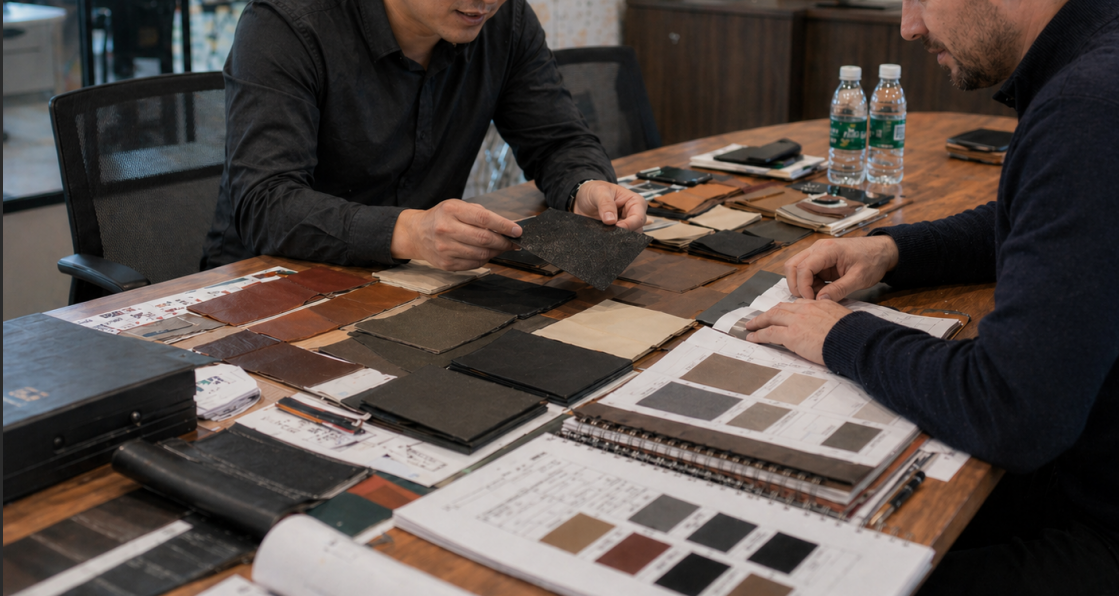
Choosing the right synthetic leather can feel overwhelming. A wrong choice leads to production issues and wasted money. Understanding key factors beyond the basics simplifies the entire process.
To choose the right synthetic leather, focus on more than just the material type. Specify the required surface effect, hand-feel, performance standards for your specific shoe, color consistency needs, and post-processing methods. This detailed communication helps your supplier provide the perfect material solution.
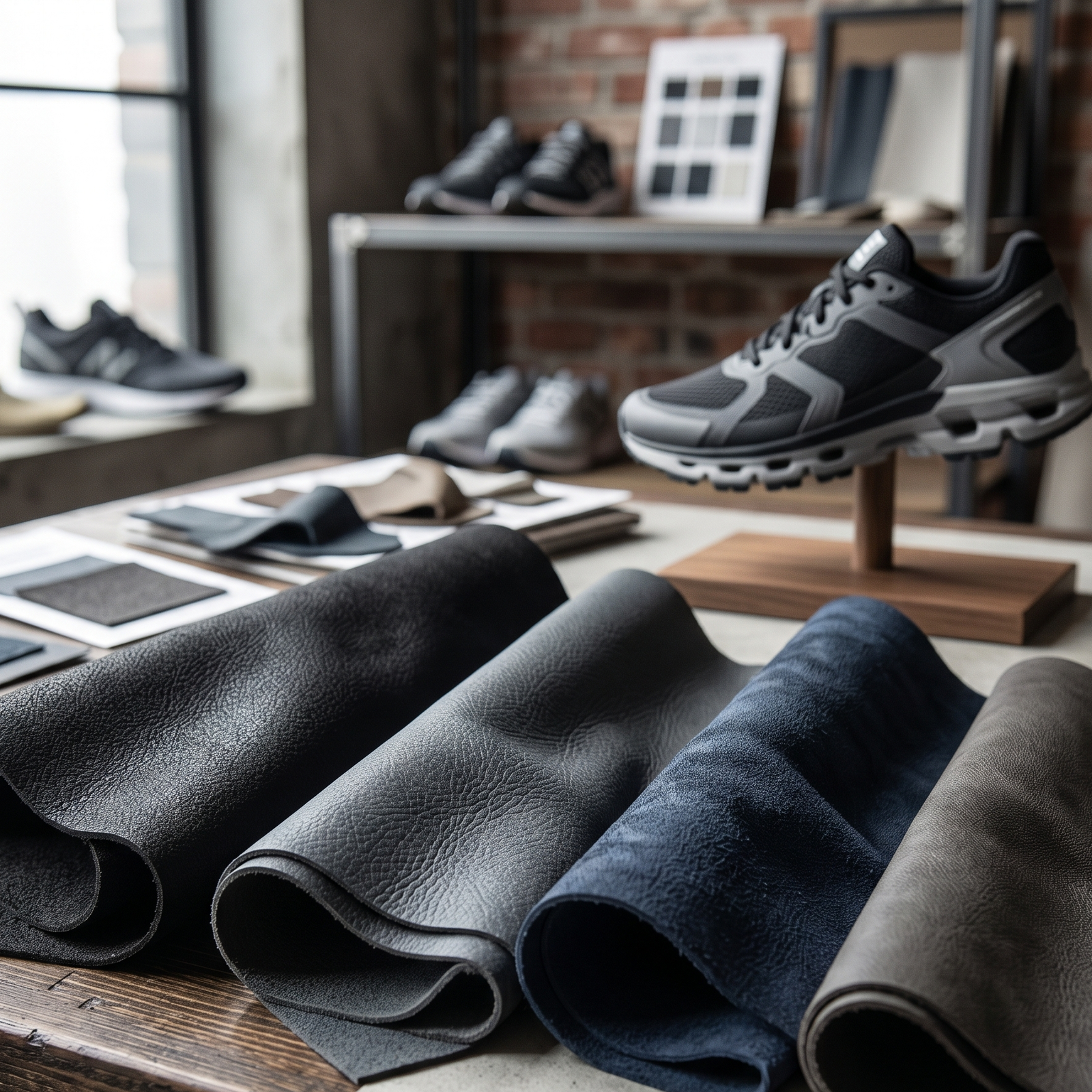
It sounds like a lot to consider, but breaking it down makes it manageable. I've worked with hundreds of clients, from product developers to wholesalers, and I've found that focusing on a few key areas can make all the difference. When you move beyond just saying "I need 1.2mm PU," you open the door to better materials, faster sampling, and a smoother production run. Let's walk through the most important questions I ask my clients to help them find the perfect material for their shoes.
Is Thickness the Only Factor to Consider for Leather Strength?
You believe a thicker material is always stronger and better. But you end up with a stiff, unworkable shoe that fails performance tests, costing you time and money. Look beyond thickness to the material's real structure.
No, thickness is not the only factor. A material's strength and feel depend on its entire structure: the base fabric, coating type, foam layer, and surface treatment. A well-constructed thinner material can often outperform a poorly made thicker one, so it's crucial to consider all components.
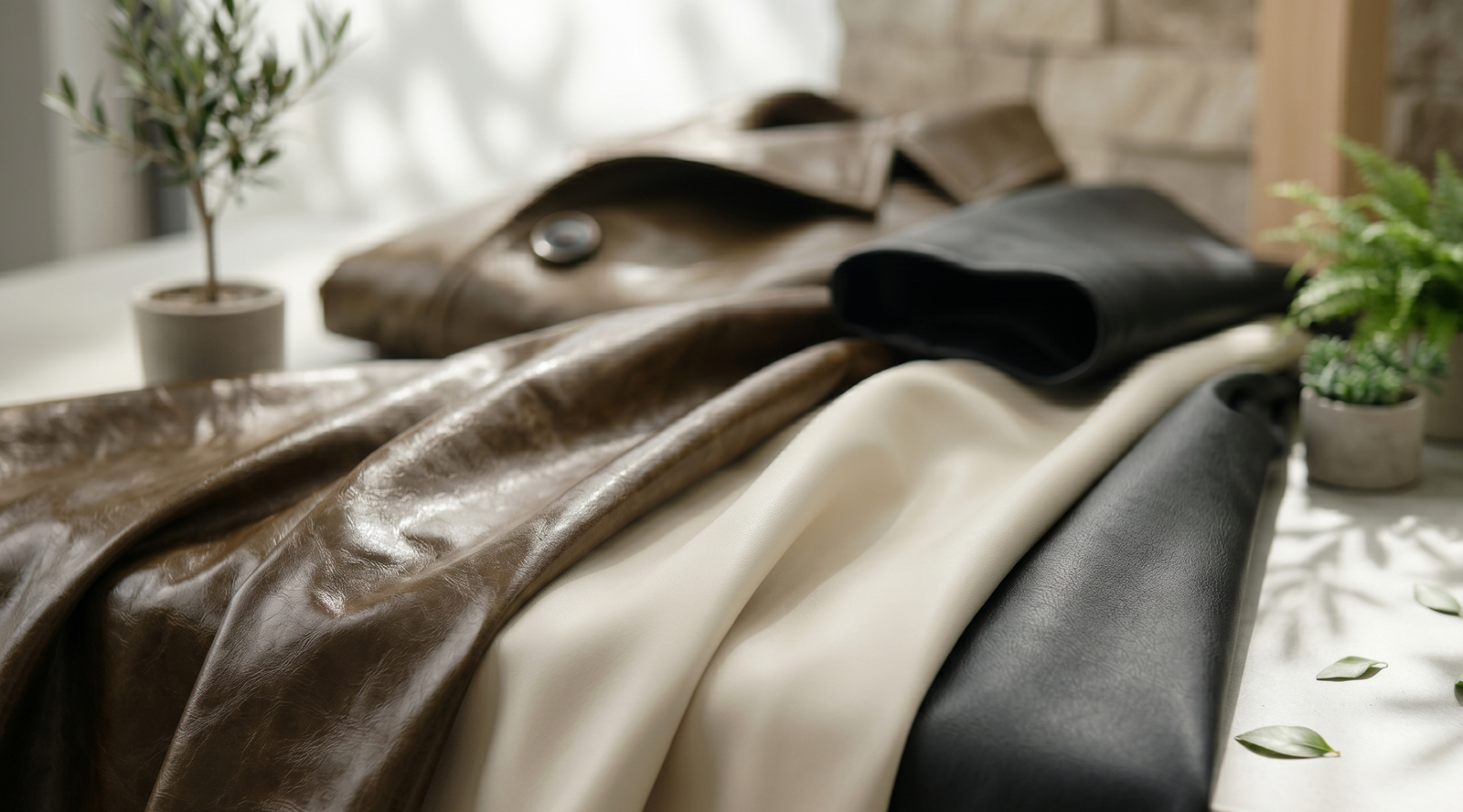
When a client asks for a specific thickness, my first follow-up question is always about the application. That’s because thickness is just one piece of the puzzle. Two materials can have the same 1.4mm thickness but behave in completely different ways. One might be perfect for a structured boot, while the other is soft and pliable for a casual sneaker. The difference lies in the construction. The base cloth provides the foundation for strength and flexibility. A woven base is stable and strong, great for areas that need support. A knitted base offers stretch, which is ideal for athletic footwear. The coating and foam layers determine the hand-feel and durability. A spongy foam layer adds comfort, while a dense, firm coating improves abrasion resistance. Finally, the surface treatment adds the finishing touch, affecting both the look and its resistance to scratches.
Here’s a simple breakdown:
| Component | Impact on Feel | Impact on Strength | Best For... |
|---|---|---|---|
| Base Fabric | Flexibility, drape | Tear & tensile strength | Athletic shoes (knitted), Boots (woven) |
| Coating/Foam | Softness, structure | Abrasion resistance | Casual shoes (spongy), Formal shoes (firm) |
| Surface Finish | Smoothness, texture | Scratch resistance | Fashion items, High-wear areas |
So next time, instead of just stating a thickness, try describing how you need the material to perform.
How Can You Describe the Exact Look and Feel You Need?
You tell your supplier you want a "premium feel." But "premium" means different things to everyone, leading to sample after sample that just isn't right. The key is to use specific, objective language.
To get the right look and feel, use specific descriptive words. For appearance, specify matte, glossy, napa, or suede-like. For hand-feel, use terms like soft, firm, spongy, elastic, or dry touch. This clarity avoids misunderstandings and speeds up the sampling process.
Vague terms are the biggest cause of delays in sampling. I once had a client who kept asking for a "comfortable" material for a new shoe line. We sent three different soft samples, but none were right. After a call, I learned he wanted a material with a slight bounce-back for an insole cover. What he really wanted was a "spongy" feel, which is completely different from a "soft" feel. Once we clarified that, we sent the right sample on the first try. Using the right words saves weeks of back-and-forth.
Let's break down the common terms for look and feel:
Surface Effects
- Matte vs. Glossy: A matte finish has no shine and is common in casual or minimalist designs. A glossy or patent finish is highly reflective and often used for formal or fashion shoes.
- Napa vs. Suede-like: Napa has a smooth, fine-grain surface that mimics high-end leather. Suede-like or nubuck has a soft, velvety texture created by buffing the surface.
- Embossed or Printed: These materials have a pattern pressed or printed onto the surface, from simple grains to complex designs like snakeskin.
Hand-Feel Descriptors
- Soft vs. Firm: Describes how easily the material bends.
- Spongy: Has a cushioned, springy quality when pressed.
- Elastic: Stretches and returns to its original shape.
- Structured: Stiff and holds its shape well, ideal for parts like heel counters.
- Dry vs. Waxy Touch: Describes the sensation on your fingertips.
Does Every Shoe Project Really Need the Highest Performance Standards?
You assume you need the most durable, wear-resistant material for every shoe. But this over-engineering increases your costs without adding real value for your customer. The smart approach is to match the performance to the shoe's actual use.
No, not every shoe needs the highest performance specs. It's more effective to match the material's durability to the shoe's intended use. A high-fashion heel has different needs than a work boot. Specifying requirements based on the product's market saves cost and delivers better value.
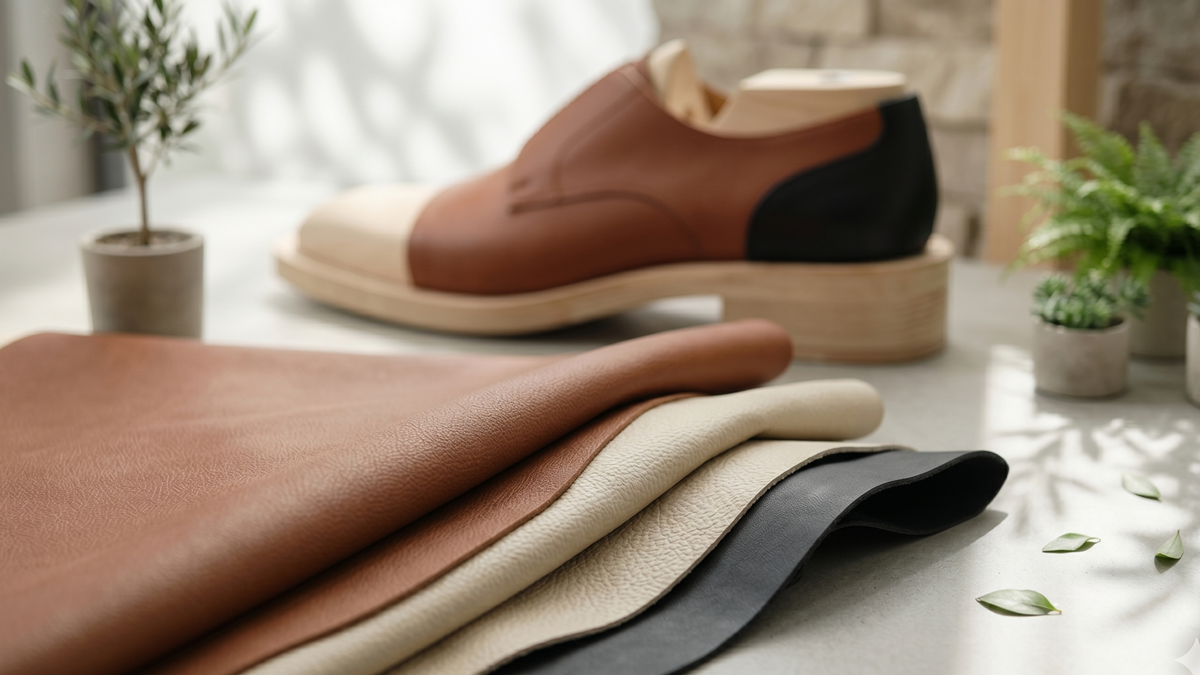
A common mistake I see is when a client requests a material that passes, for example, 100,000 cycles on a flex test for a shoe that will only be worn on special occasions. While high performance sounds good, it adds unnecessary cost to the material. A material built for extreme durability might also be stiffer or heavier, which could negatively impact the design of a delicate fashion item. The goal is to choose a material that is fit for purpose. For a children's school shoe, high abrasion resistance on the toe is critical. For a running shoe, excellent flex resistance is non-negotiable to prevent cracking. For a work boot, high tear strength and water resistance are key. By defining the end-use, we can select a material that meets the necessary standards without overpaying for features the end consumer will never need.
Here’s a quick guide to matching performance to shoe type:
| Shoe Type | Key Performance Need | Example Test | Why It Matters |
|---|---|---|---|
| Work Boot | High Abrasion & Tear | Martindale, Tear Strength | Endures rough conditions and heavy use. |
| Running Shoe | High Flex Resistance | Bally Flex Test | Must withstand millions of bends without cracking. |
| Fashion Heel | Good Finish Adhesion | Tape Test | The metallic or glossy finish shouldn't peel off. |
| Kids' Shoe | Color Fastness | Crocking Test | Prevents color from rubbing off on socks/clothes. |
Thinking about the customer's world helps us choose the right material for them.
How Do Color, Cost, and Processing Affect Your Material Choice?
You've approved a perfect sample, but the bulk order looks different. This inconsistency can ruin your production run, delay shipments, and damage your brand's reputation. The solution is to clarify technical and commercial details upfront.
To avoid production surprises, clarify key details early. For color, provide a Pantone code or physical swatch and define an acceptable tolerance range. Share your target price to get realistic options. And inform your supplier about post-processing methods, as they impact material selection.

These details often feel like the "boring" part of development, but getting them right is what separates a smooth project from a difficult one. They are all connected. A specific color might require a dye that works best on a certain base material, which in turn affects the price and how it can be processed.
Color Consistency
A color on your screen is not a reliable standard. I always ask my clients for a physical swatch or a Pantone (TCX) code. This gives us a physical target to match. We also need to agree on the acceptable color difference for mass production, often measured scientifically, and check it under specific lighting conditions (like D65 daylight). This prevents a batch of shoes from looking like a slightly different shade than the last one.
The Price Conversation
Many clients are hesitant to share their target price, but it’s one of the most helpful pieces of information you can provide. It’s not about giving up negotiating power; it’s about efficiency. If I know your target price, I can immediately propose the best possible solutions within that range. It helps me decide whether to recommend a ready-made stock material, suggest a slight modification to an existing one, or begin a new development from scratch. It turns a vague request into a focused search for the best value.
Post-Processing Impact
How you plan to assemble the shoe matters. A material destined for high-frequency welding needs a specific composition (usually PVC or a compatible PU) to bond properly. If you plan to do a lot of detailed stitching, the material needs good tear strength so the seams don't rip under pressure. If the material will be molded, it needs good heat resistance and formability. Telling your supplier about these processes beforehand ensures the material you choose won't fail during production.
Conclusion
Choosing the right synthetic leather is a partnership. By clearly communicating your needs for structure, look, feel, performance, and processing, you empower your supplier to find your perfect material match.